

Why did a 53–47 Senate vote still fail?
The Senate vote was 53 yes and 47 no, but this step needed 60 yes votes to move ahead with a bill about stocks and voting rules.
Choose your reading mode
How the Senate vote worked
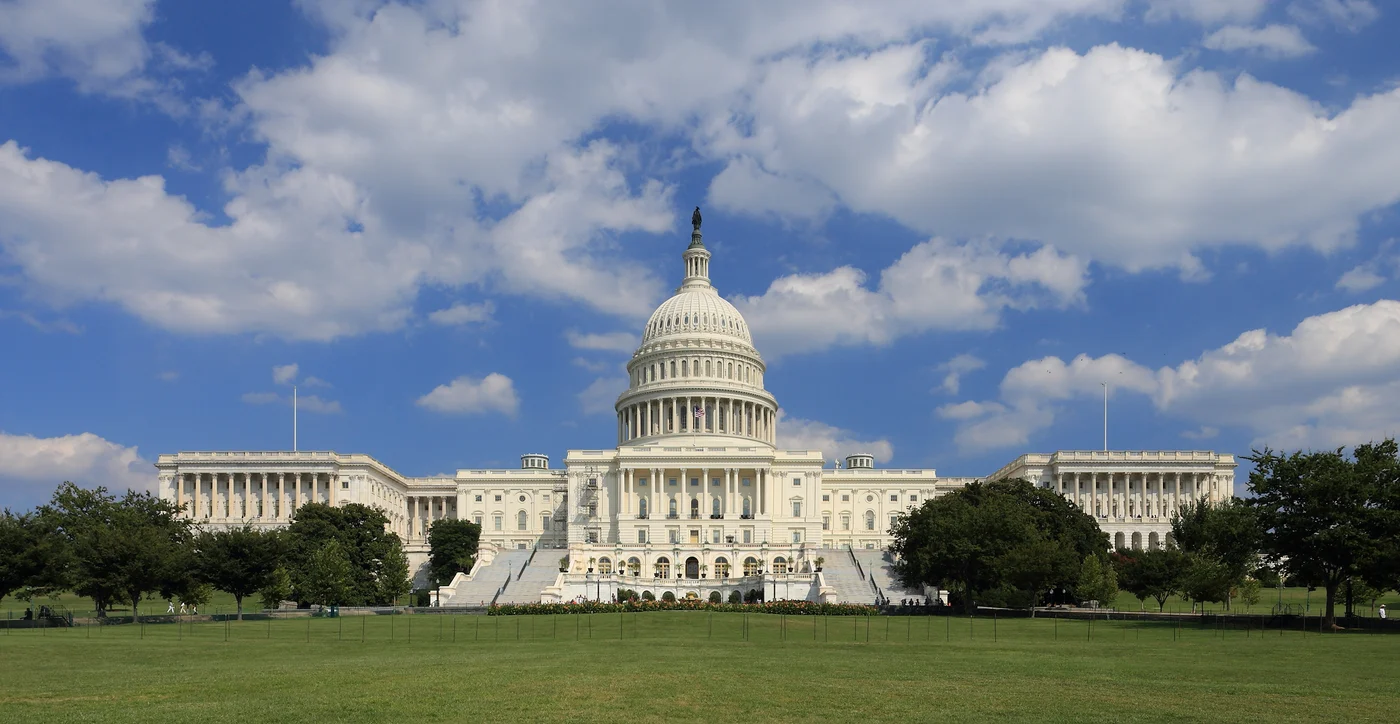
On September 30, the U.S. Senate voted on a step toward taking up a bill. The Senate is one half of Congress, which makes laws for the country. A bill is a plan for a new law or a change to one we already have.
Senators voted 53 yes and 47 no, so more voted to move ahead than to stop. Even with that lead, the bill did not pass this step. For most bills, the Senate needs 60 yes votes to use a rule called cloture, which limits debate.
Debate is the time senators spend talking about a plan and arguing for or against it. Here, the question was whether to take up the bill. Cloture would have limited debate on that question, but 53 votes were too few. A final vote on passing the bill would have come later.
The proposed stock rules
The stock part of the bill would stop members of Congress from buying many individual stocks. A stock is a small share of a company. The same rules would apply to their spouses and children they support with money.
Lawmakers could keep stocks they already owned. If they sold some covered investments, they would usually have to tell the public first. So the bill limited many new purchases, but it did not make them sell all their stocks.
Two subjects in one bill
That bill also had photo ID rules for federal elections, such as when people vote for president or members of Congress. Stock rules and voting rules were in the same bill, so the vote covered both.
A senator might like one part and oppose the other. This vote did not let them pick each part on its own; they could only vote on a step toward taking up the whole bill.
Insider trading and conflicts of interest
Members of Congress already have to follow laws against insider trading. This means using important facts that are not public to buy or sell investments. The STOCK Act confirmed that these rules apply to Congress.
Owning stock can also create a conflict of interest. Imagine a senator owns shares in a company, then helps write a law that could help it. Their public job and private money overlap, even if they never use secret facts or make an illegal trade.
The newer bill tried to reduce that overlap by limiting some stock purchases. Those limits would apply even when no insider trading had happened.
What we can learn from the result
To learn why a senator voted no, we need to read the bill and look at what they said about it. Some might object to one part, while others oppose several parts or the whole plan. The vote count gives us the result, but it cannot tell us all the reasons behind it.
Think about it
What do you think?
- 1Why might one no vote not tell you what a senator thinks about every part of the bill?
Optional self-check
Did it stick?
01Why did 53 yes votes not move the bill forward?
Because this was a cloture vote, and this step needed 60 yes votes.
02What were the two big subjects inside the same bill?
Rules about members of Congress buying stocks and rules about photo ID for federal elections.
03What is insider trading?
Using important secret information to buy or sell investments.
04How can a conflict of interest happen even if a lawmaker never uses secret information?
A lawmaker can own stock in a company while also helping make government decisions that could affect that company.

See the receipts
Where this story came from
The Senate’s roll-call record gives the 53–47 result and the question senators voted on. The House-passed bill shows how the stock restrictions and election rules fit together, while reporting and lawmakers’ statements explain the arguments around the proposal.
- 01
- 02
Primary source
H.R. 7008 (Engrossed in House) — Stop Insider Trading ActU.S. Government Publishing Office
- 03
Primary source
Stop Trading on Congressional Knowledge Act of 2012 (Public Law 112-105)U.S. Government Publishing Office
- 04
- 05
- 06
Primary source
Restrictions on Insider Trading Under Securities Laws and Ethics RulesU.S. Senate Select Committee on Ethics
- 07
- 08
- 09
Primary source
House Passes Chairman Steil’s Stop Insider Trading ActU.S. House Committee on House Administration
Updates and corrections
Edited all four reading modes to connect explanations and vary sentence rhythm.
Keep exploring