

Why did a 53–47 Senate vote still fail?
A majority supported moving ahead with H.R. 7008, but the Senate required 60 votes for this step toward considering its stock-purchase and election provisions.
Choose your reading mode
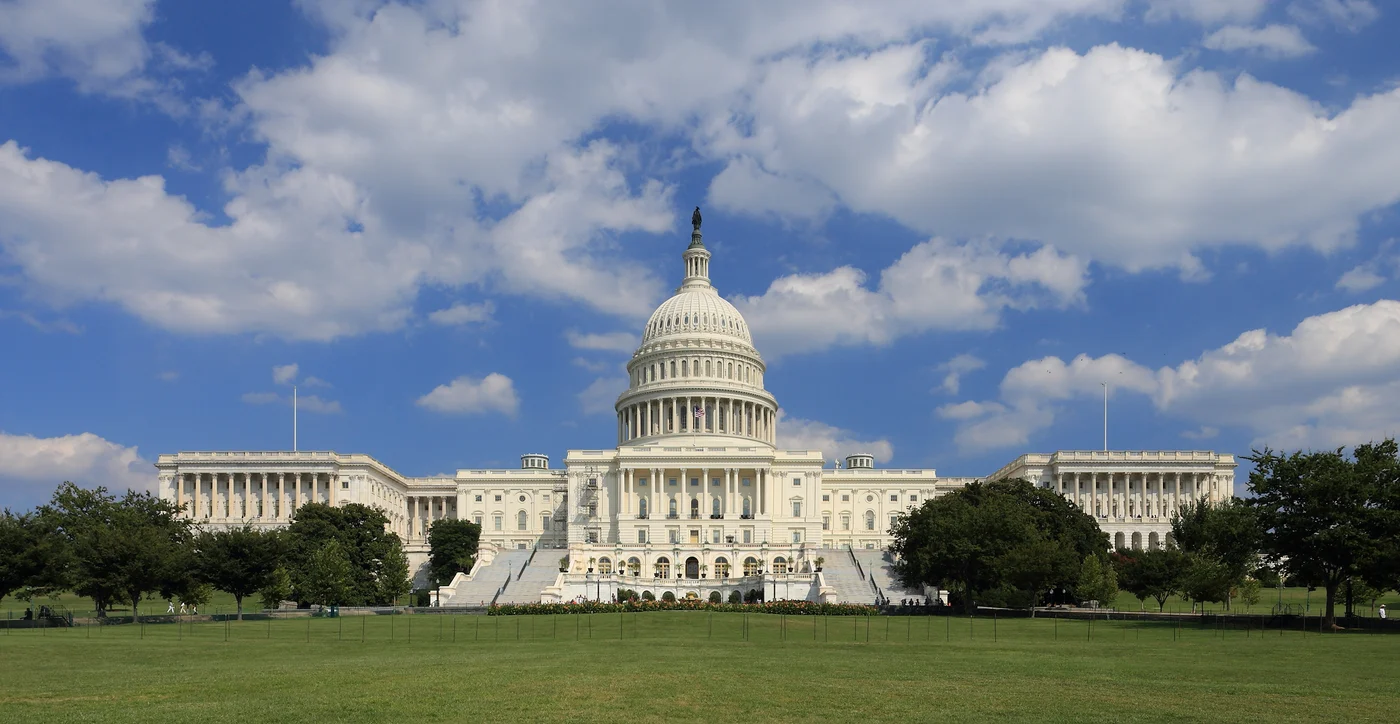
On September 30, 53 senators voted to move ahead with H.R. 7008, the Stop Insider Trading Act, but the bill still stalled. The Senate needed 60 votes for the step before it, leaving supporters seven short. Senators were voting on whether to limit debate on a motion to take up the bill; a final vote on passing it would have come later.
The procedure for limiting debate is called cloture. Most bills can pass the Senate with a simple majority at the final vote, but reaching that vote can require more support. For most legislation, cloture requires three-fifths of the Senate, which usually means 60 votes in the 100-member chamber. The September 30 motion received 53 votes in favor and 47 against.
The Senate adopted the three-fifths threshold in 1975. Before that change, cloture generally required two-thirds of senators voting.
What the stock rules would have changed
The House had passed H.R. 7008 by 232–198 in July. Its investment rules would have restricted certain purchases by members of Congress, their spouses, and their dependent children, while allowing them to keep investments they already owned.
Sales of covered investments generally would have required public notice 7 to 14 days beforehand. Some funds, small-business interests, and qualifying trusts were excluded from the restrictions, and the bill included other limited exceptions. A description such as “stock-trading ban” leaves out those details: the proposal restricted many new purchases without requiring lawmakers to sell their existing holdings.
The same bill also changed voting rules
H.R. 7008 combined its investment restrictions with photo-identification requirements for federal elections. In-person voters generally would have needed a valid physical photo ID. Those without one could cast a provisional ballot, with conditions on whether it would be counted. The bill provided several identification or verification options, along with exceptions, for voting other than in person.
Senators therefore faced a bill containing policies on both congressional financial ethics and election administration. A senator could support restrictions on stock purchases while opposing the election provisions, or prefer a different approach to the stock rules. The single yes-or-no result tells us how senators voted on the motion concerning this package; understanding their positions on each policy requires more evidence.
The concern goes beyond insider trading
Members and employees of Congress are already subject to federal insider-trading rules, as the STOCK Act confirmed in 2012. Insider trading involves using important information that is not public to buy or sell investments. A conflict of interest can arise even when no illegal trade takes place.
Imagine a lawmaker who owns shares in a company affected by a law they are helping write. Their investment gives them a private financial interest in a decision they are making as a public official. They might never use secret information to trade, yet the overlap between their public responsibilities and private finances could still create a conflict.
That concern helps explain the debate over broader restrictions on lawmakers’ investments. Insider-trading law addresses trades made using nonpublic information. Proposals restricting purchases or ownership try to reduce financial conflicts beyond those particular trades.
How lawmakers argued about the proposal
Supporters of H.R. 7008 presented the investment restrictions as an ethics reform and supported the voter-identification provisions. Democratic senators who opposed advancing it argued that the stock limits were insufficient and objected to the election rules. Republican supporters argued for advancing the bill and defended the election provisions.
Those arguments describe the positions lawmakers expressed. Their claims about the proposal need to be assessed against its text and other evidence. The vote record establishes the procedural result, while lawmakers’ statements help explain their reasons for supporting or opposing it.
What the result leaves open
H.R. 7008 failed to advance through this Senate step on September 30. Congress can reconsider legislation, amend a proposal, or introduce another bill, so this vote does not settle the future of congressional investment rules.
A future proposal could change which officials are covered, whether existing investments must be sold, how restrictions are enforced, or whether election provisions remain attached. Each of those choices would change what lawmakers are being asked to vote on.
Think about it
What do you think?
- 1How is preventing insider trading different from preventing conflicts of interest?
- 2What can—and can’t—you learn from one yes-or-no vote on a bill that contains several different policies?
Media literacy
Look at the wording
Compare “Senate rejects stock-trading ban” with “53 senators vote to advance stock-trading bill, short of 60-vote threshold.” What does each headline make you notice first, and what information does each leave out?
Optional self-check
Did it stick?
01How many votes were needed for the September 30 cloture motion?
60 votes.
02Who would the bill’s stock-purchase restrictions cover?
Members of Congress, their spouses, and their dependent children.
03What separate election policy was included in H.R. 7008?
Federal photo-identification requirements for voting.

See the receipts
Where this story came from
The Senate’s roll-call record gives the 53–47 result and the question senators voted on. The House-passed bill shows how the stock restrictions and election rules fit together, while reporting and lawmakers’ statements explain the arguments around the proposal.
- 01
- 02
Primary source
H.R. 7008 (Engrossed in House) — Stop Insider Trading ActU.S. Government Publishing Office
- 03
Primary source
Stop Trading on Congressional Knowledge Act of 2012 (Public Law 112-105)U.S. Government Publishing Office
- 04
- 05
- 06
Primary source
Restrictions on Insider Trading Under Securities Laws and Ethics RulesU.S. Senate Select Committee on Ethics
- 07
- 08
- 09
Primary source
House Passes Chairman Steil’s Stop Insider Trading ActU.S. House Committee on House Administration
Updates and corrections
Edited all four reading modes to connect explanations and vary sentence rhythm.
Keep exploring